

How often should I replace the plumbing in my house?
The plumbing inside a house is not designed to be replaced on a fixed schedule. It varies depending on the pipe material, installation quality, water conditions and maintenance history. As your plumbing system ages, pipes can start to show signs of wear and tear. Pipes naturally degrade over time, and understanding the time to replace them can help you prevent unexpected issues. Repiping is an essential process of upgrading or replacing your home’s plumbing system.
Like most other things in your home, pipes can corrode, clog or weaken. Catching warning signs like frequent leaks, low water quality or full-blown issues can help you avoid expensive water damage and emergency repairs. If you are planning a plumbing repair or whole-house new pipes installation, PlumbingSell offers a wide selection of PEX tubing, pipe fittings, valves and installation tools at competitive prices.
Table of Contents
How Long Do Pipes Last in a House?
The lifespan of pipes depends on the material, water quality, installation method and overall condition of the plumbing system. A pipe that is several decades old may still perform well if it was installed correctly and maintained properly, while a newer pipe can fail early because of high water pressure, freezing or poor workmanship.
When estimating how long a pipe may last, consider more than its estimated lifespan. The number and location of previous leaks, visible corrosion, change in water pressure and the color or taste of the water can all provide useful information about the condition of the system. You should also check whether different pipe materials are connected properly.
Metal pipes, such as galvanised steel pipes and copper pipes, can often last for 20 to 50 years or even longer, but acidic water and other environmental conditions may cause leaks. While plastic pipes like PVC, CPVC and PEX pipes are commonly expected to provide decades of service, making them a popular choice when homeowners replace aging water lines.
Lifespan of Common Materials
Different pipe materials have varying expected service lifespans. These ranges are only general estimates and should be used as basic guidance. Poor installation, high water pressure, freezing, chemical exposure and corrosive water can cause pipes to fail much earlier.
Copper Pipes
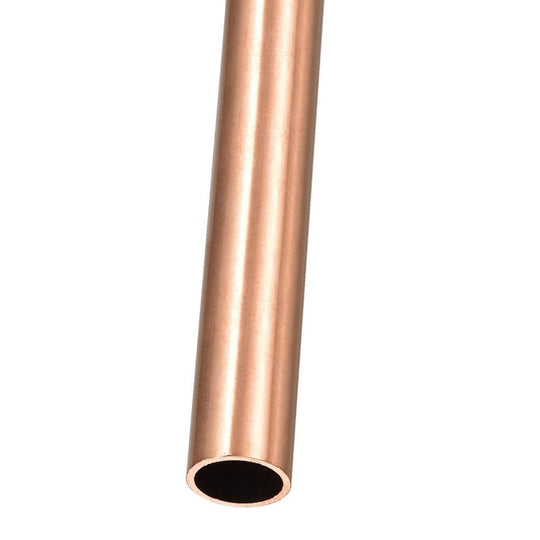
Copper is a durable plumbing material that can often last 50 years or more if maintained properly. Acidic water or excessive water velocity may contribute to corrosion or pinhole leaks. One isolated pinhole leak may only require a repair, but repeated leaks in different sections can indicate that the copper system is deteriorating.
Galvanized Steel Pipes
Galvanized steel pipes were commonly installed in older homes, but tend to corrode within 20 to 50 years. The corrosion often develops inside the pipe before the exterior shows obvious damage. As corrosion and mineral build up, the internal opening becomes smaller and can reduce water pressure and eventually cause leaks. If your home is still using galvanized steel supply line, it may be worth discussing a whole piping replacement.
PEX Pipes
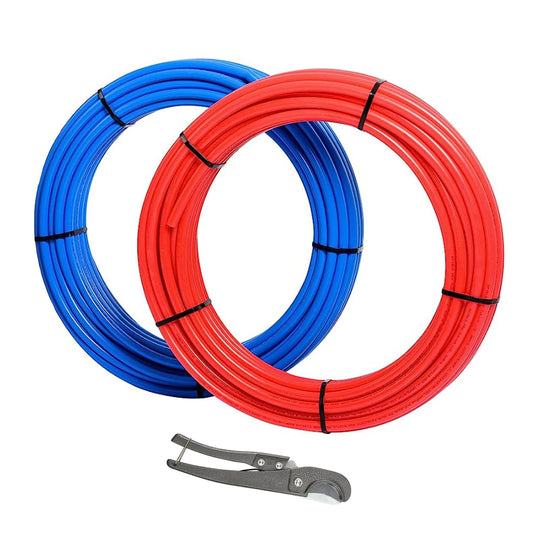
PEX, or cross-linked polyethylene, is widely used for hot and cold water distribution. Properly installed PEX-A and PEX-B pipes can provide around 40-50 years of service and are now one of the most common options for residential repiping. Unlike metal pipes, PEX does not rust easily, and its flexibility can reduce the number of fittings required. It is also lightweight and does not require soldering. Fewer connection points have reduced the potential leakage points and made their lifespan longer.
CPVC Pipes
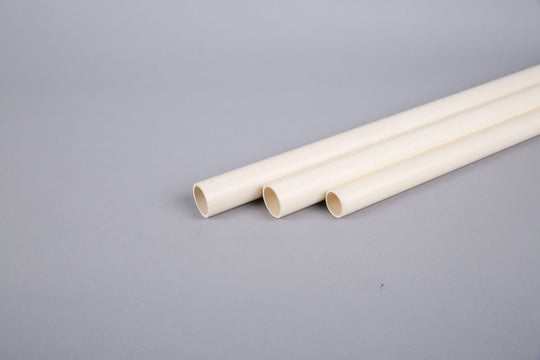
CPVC pipes are another type of rigid plastic pipe commonly used for water supply. It can also remain functional for several decades when protected from physical damage and installed with the correct solvent cement. As CPVC ages, it may become brittle when exposed to excessive heat, chemicals or repeated movement. Old CPVC pipes should be handled carefully during repairs because the nearby section may crack.
Signs Your Home Might Need Repiping
Regardless of the plumbing material, there are several other signs that you should notice before considering repiping your home. If the signs appear together or repeatedly, it can indicate that the system is approaching the end of its useful life.
Leaking Pipes
A small leak may result from a loose connection or isolated damage and might not always be a red flag. But multiple leaks in different areas are concerning, and it may be time to think about replacing pipes in your house. Continually repairing individual sections may be more expensive than replacing the affected plumbing area.
Corrosion on the Pipes
Visible corrosion is a clear warning sign on metal plumbing. If your pipes have frozen in the past, they may have microcracks or weak points that increase the risk of future leaks or a pipe burst. The condition of the pipe exterior doesn’t always reveal what is happening inside. Although PEX doesn’t corrode like metal, it can still be damaged by excessive UV exposure, high temperatures or physical contact with sharp objects.
Poor Water Pressure
Unexplained low water pressure throughout the house may indicate clogged or corroded pipes. Over time, mineral sediment buildup or corrosion can narrow pipes until they become completely obstructed. This is commonly seen in an old galvanized steel pipe plumbing system. Replacing the affected lines with newer pipes may improve flow, although proper pipe sizing is still important. PEX pipes with an undersized diameter or too many restrictive fittings may not provide the expected performance.
Discolored Water
If your tap water runs brown, yellow, orange or reddish, it may indicate corrosion inside older metal pipes. Rust buildup inside old galvanized steel or iron pipes can flake off and mix with the water supply, leading to weirdly colored water and staining on sinks. The ideal plumbing system should provide crystal-clear water with each use. Water testing and a plumbing inspection can help identify whether the problem is coming from the house pipes, water heater, fixtures or public supply.
Repeated Clogs
Frequent clogs may indicate more than ordinary buildup near a fixture. Older drain pipes can develop internal scale, corrosion or cracks that repeatedly collect waste. If several drains are slow at the same time, the problem may be located in a larger branch drain or main sewer drain. In this case, the affected system must be correctly identified before spot repair or replacement.
Conclusion
There is no fixed schedule for replacing the plumbing in your house. The time depends on the pipe material, installation quality and noticeable warning signs. If several problems appear across the home, replacing old lines with newer pipes may be more cost-effective than continuing with temporary repairs.
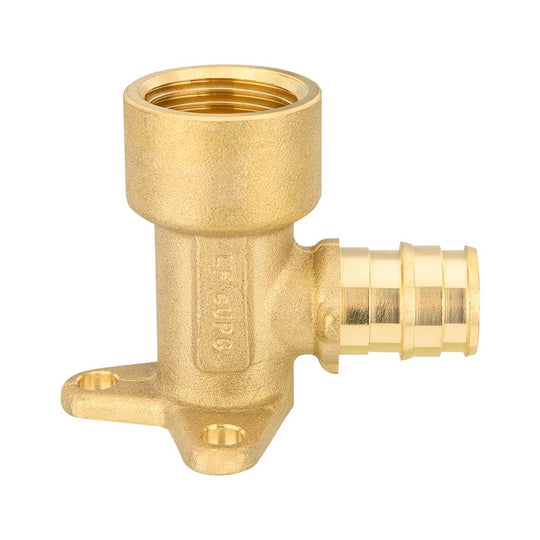
PEX is a common repiping option because of its flexibility, lightweight and resistance to corrosion. When comparing PEX pipe to metal pipe, consider cost, installation location, appliance and local plumbing requirements. Understanding the difference between PEX-A vs PEX-B pipes and whether the project is better with a clamp or expansion can help you choose a suitable system. PlumbingSell offers PEX tubing, fittings, valves and installation tools for repairs and whole-house repiping projects.
