

Why are plastic pipes used for floor heating?
In recent years, radiant floor heating has become one of the most comfortable and efficient ways for heating in your home, apartment or business. Instead of relying on radiators or forced-air vents, a hydronic floor heating system circulates warm water through pipes installed beneath the finished floor.
Among the various choices of radiant floor piping systems, PEX tubing is one of the most widely used ones. They are known for their outstanding thermal properties and installation advantages and have continued to replace traditional metal piping in underfloor heating applications. Let’s have a closer look at how PEX-A and PEX-B radiant floor heating works, why it’s so popular and what you should know before choosing this type of system. Check out PlumbingSell to find the essential plumbing supplies you may need for your project.
Table of Contents
What are underfloor heating pipes?
Before understanding why choosing plastic pipes for floor heating, it’s crucial to understand what exactly underfloor heating pipes are. Radiant heating delivers warmth directly to the floor surface, which makes heat rise naturally and create consistent temperatures throughout a room. The installation methods varies depends on the building structure, flooring material and required heating output.
These kinds of heating pipes are installed beneath a floor to carry heated water through a building. They are generally arranged in long loops that cover the heating area before returning to a central manifold. Therefore, the warm water can flow through these loops and transfer heat into the surrounding floor structure to release the heat evenly into the area above.
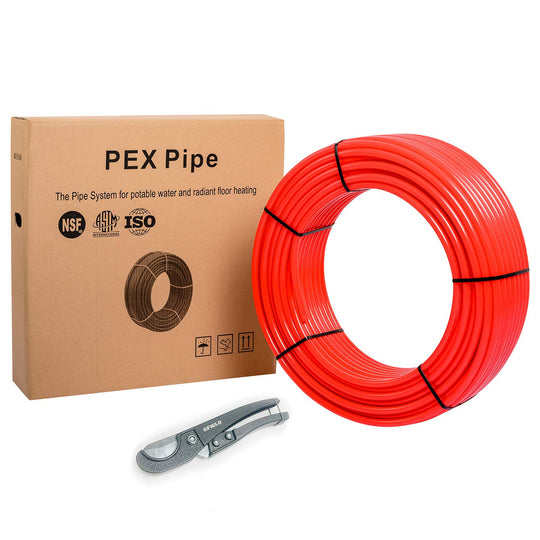
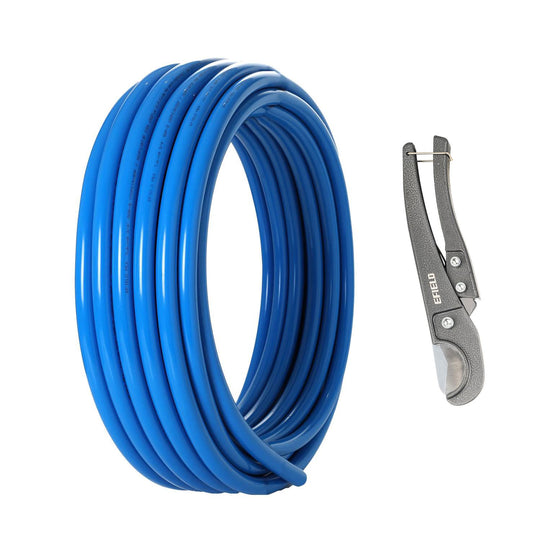
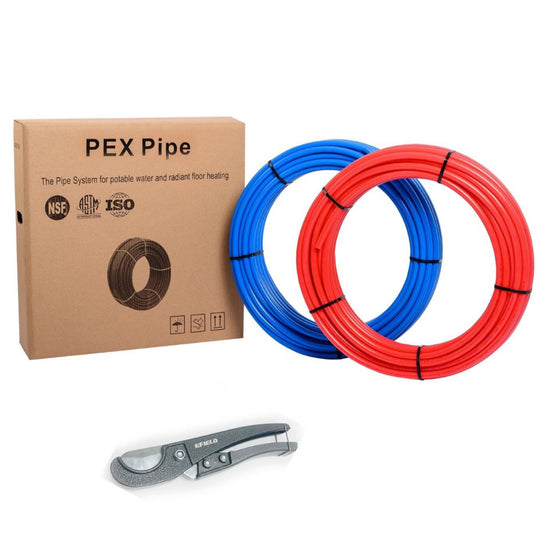
PEX is one of the most commonly used materials for hydronic under-floor heating. There are several types of PEX, including PEX-A, PEX–B and PEX-C. The most commonly used ones for heating are PEX-A and PEX-B, and many closed-loop systems also require oxyber-barrier PEX. Unlike rigid copper or steel pipe. PEX can be bent gradually around the floor without requiring a fitting at every change in direction.
How PEX Radiant Floor Heating Works
In a PEX radiant floor heating system, it normally begins with a heat source, such as a boiler or a hydronic heat pump. The heat source warms the water and then delivers it to a manifold. The manifold then delivers the heated water between several individual heating loops installed beneath the floor. Each loop carries warm water through a specific area and makes the floor a large, low-temperature radiator that gently warms the entire space from the ground up.
The PEX pipe radiant floor heating, it creates a different heating experience from vents or fan systems. With no noisy sound, and a more even heat distribution, consistent comfort and clean indoor air. The tubing is usually installed in a serpentine or spiral pattern. The layout is designed according to the size of the room, heat loss and required output. Areas near exterior walls or large windows may require closer pipe spacing as they usually lose heat more quickly.
The Advantages of PEX Radiant Floor Heating
PEX, also known as cross-linked polyethylene, is one of the most popular options for radiant floor heating because of its flexibility. Radiant systems require long pipe circuits with repeated curves. With PEX systems, installers can bend and loop the pipes into intricate patterns without special equipment, especially the PEX-A pipes, which have better flexibility among other PEX options.
PEX is also available in long coil lengths, which reduces the need for joints and fittings and minimises the risk of leaks and failures. A single continuous piece of tubing can often form an entire space of a heating circuit. The only connections may be at the supply and return parts of the manifold.
Another important advantage of PEX pipes is their resistance to scaling and corrosion. PEX doesn’t rust, and its smooth interior surface is less affected by mineral buildup compared with some metal pipes. In addition to this, the radiant heating doesn’t depend on large air ducts. Instead of circulating air through the room in the same way as a forced-air system, radiant floor heating distributes the heat relatively evenly while still warming the room effectively. This method has improved the room comfort and reduced the cold-floor feeling that is common with tile or concrete surfaces.
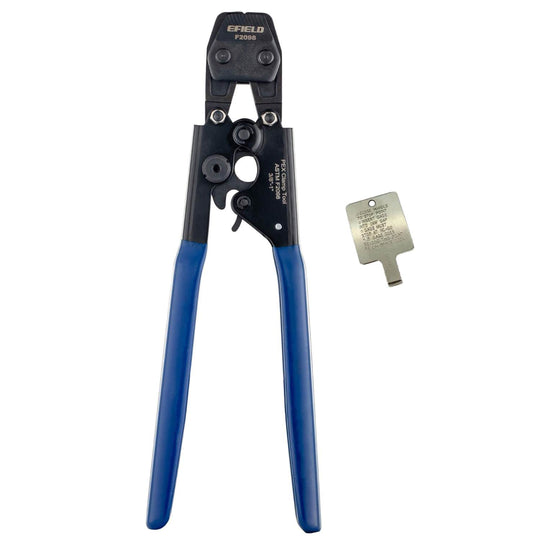
When discussing PEX-B vs PEX-A, PEX-A is usually preferred for projects that involve tight spaces or complicated layouts. Its superior flexibility can make installation easier to form smooth loops without placing excessive stress on the pipe. However, a specific PEX-A expansion tool is required for secure installation. While PEX-B may still be a practical choice in open floor plans where there is enough space to create gradual turns, or if the budget is limited.
Potential Considerations
Although PEX offers many advantages, the system still needs to be designed and installed carefully. A radiant floor heating project is not simply a matter of placing pipe beneath the floor. Before the installation, the installer must calculate heat loss, loop length, pipe spacing, water temperature, flow rate, manifold requirements and heating applications.
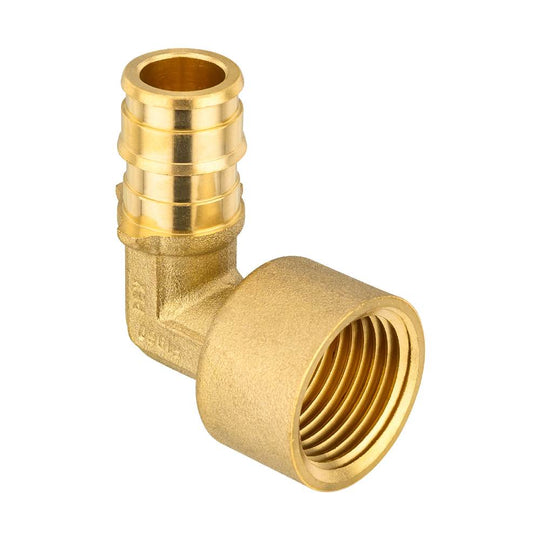
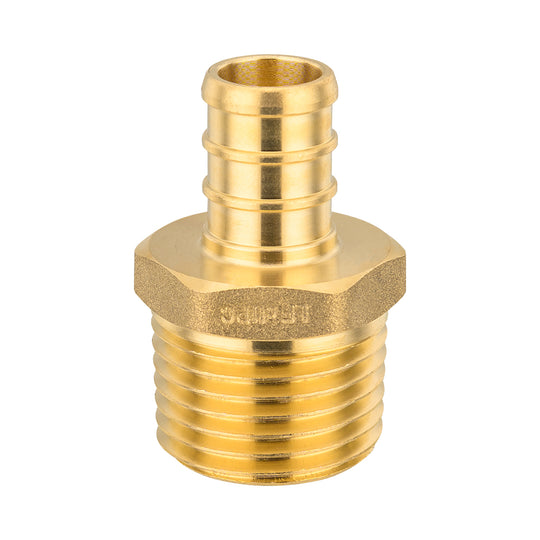
The connection method also requires careful attention. PEX fittings are usually classified by their connection standard, not only by the type of pipe they are commonly used for. Some PEX-A pipes are approved for use with crimp or clamp fittings that are also frequently used with PEX-B. However, expansion fittings should only be used with PEX-A piping that is approved for cold expansion.
Cost is another consideration in the PEX A vs PEX B comparison. PEX-A is often more expensive and often require and expansion tool if the system uses expansion fittings. PEX-B normally have a lower initial material cost and is a more cost-effective option for installer already own crimp or clamp tools. Before choosing the preferred materials, whether the project requires barrier or non-barrier tubing also needs to be confirmed. Oxygen-barrier PEX tubing is commonly used to help protect pumps, boilers and other system parts.
Conclusion
Plastic pipes, especially PEX tubing, are widely used for radiant floor heating because they are flexible, durable, corrosion-resistant and easy to install in long continuous loops. Compared with traditional metal pipes, PEX requires fewer fitting which can simplify the installation process and reduce the number of potential leak points.
When comparing PEX-A and PEX-B, PEX-A is generally better suited for tight bends and complex layouts, while PEX-B can be a more affordable option for designs with gradual turns. The best choice depends on various factors, such as floor structure, system design and available tools. Whichever type you choose, make sure the tubing, fittings and other components are approved for radiant heating and properly matched. For dependable PEX tubings, fittings, tools and other plumbing supplies, explore the available options at PlumbingSell.
In recent years, radiant floor heating has become one of the most comfortable and efficient ways for heating in your home, apartment or business. Instead of relying on radiators or forced-air vents, a hydronic floor heating system circulates warm water through pipes installed beneath the finished floor.
