

The Differences Between PEX-A, -B and -C
Shopping for PEX pipe usually brings up the same question: should you choose PEX-A, PEX-B, or PEX-C? All three are crosslinked polyethylene, but they are made using different crosslinking processes. The letters identify the manufacturing method, rather than a quality grade. Compliant tubing must meet the applicable standard’s performance requirements. [1]
For your project, the useful comparison is how the tubing handles, which fittings it is approved to use, and what the complete installation will require. This guide explains those differences and the product details worth checking before you buy.
Quick Takeaways
- A, B, and C describe manufacturing methods. They do not rank pipe quality.
- Choose the tubing and connection system together. Check the manufacturer’s approvals before buying fittings, rings, or tools.
- Compare the actual product specifications. Chlorine resistance, UV exposure limits, and pressure ratings cannot be determined from the A/B/C designation alone.
Table of Contents
PEX-A vs. PEX-B vs. PEX-C: Comparison Table
Use this table as a starting point. Connection options and installation details must be checked against the specific tubing manufacturer’s instructions.
| What to Compare | PEX-A | PEX-B | PEX-C |
|---|---|---|---|
| Crosslinking process [1] | Peroxide, also called the Engel method | Silane, also called moisture curing | Electron-beam irradiation |
| Handling and bending [5] [6] | Often selected for flexible routing; follow the product’s minimum bend radius | May feel stiffer than PEX-A; check the product’s bend requirements | Check the product’s flexibility and bend radius rather than assuming a universal ranking |
| Connection options to check [2] | Commonly cold expansion; crimp, clamp, or push-fit where approved | Commonly crimp, clamp, or push-fit, subject to product approval | Crimp, clamp, or push-fit where the specific product allows them |
| Kink treatment [5] [6] | Some manufacturers allow controlled heat repair of their own PEX-A; verify the exact procedure | Do not assume heat repair is allowed; follow the manufacturer’s damaged-tubing instructions | Do not assume heat repair is allowed; follow the manufacturer’s damaged-tubing instructions |
On smaller screens, scroll sideways to view all columns. For any PEX type, use expansion connections only when the specific tubing is expressly approved for that system. This table does not establish compatibility between brands.
What to Know About PEX-A
PEX-A tubing is made using the peroxide method, which creates crosslinks as the material is extruded. Its handling characteristics can be useful when routing pipe around obstacles. Check the manufacturer’s bend limits before deciding whether a turn needs a support or a fitting. [1] [5]
PEX-A is commonly paired with cold-expansion fittings, but the pipe designation alone does not approve a connection. Kink repair is also product-specific: Uponor, for example, publishes a heat-repair method for its own PEX-A tubing. That does not establish the same procedure for EFIELD or another manufacturer. Follow the instructions for the exact tubing you are using. [2] [6]
What to Know About PEX-B
PEX-B tubing uses the silane process, with crosslinking occurring after extrusion through exposure to moisture and heat. It is commonly considered for crimp or clamp installations. Check the tubing markings and instructions for approved systems before choosing fittings. [1] [2]
When comparing PEX-A vs. PEX-B, price the whole job: tubing, fittings, rings, tools, and the planned route. A lower tubing price may not produce the lowest total cost. The B designation also does not, by itself, establish a higher chlorine rating, a longer sunlight-exposure allowance, or a greater likelihood of leaking.
What to Know About PEX-C
PEX-C is crosslinked by exposing extruded tubing to an electron beam. Like PEX-A and PEX-B, compliant PEX-C must satisfy the relevant requirements of the applicable product standard. Its manufacturing method alone does not establish lower quality or better environmental performance. [1]
If PEX-C is an option for your project, compare its available sizes, approved fittings, installation instructions, and local availability with the other tubing you are considering.
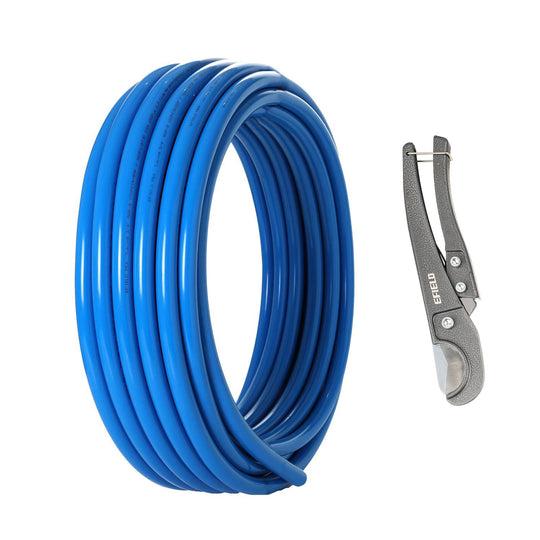
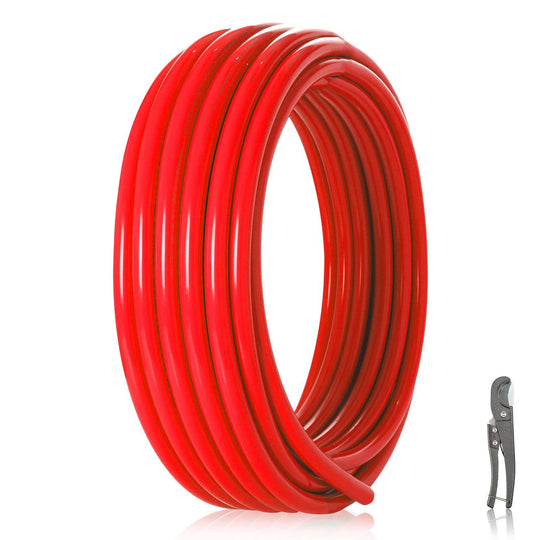
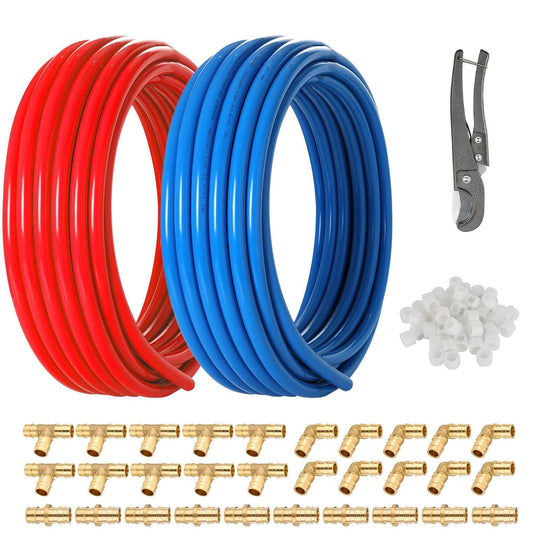
Match the Pipe to the Connection System
PPI explains that tubing manufacturers identify the fitting systems certified for use with their tubing. These designations appear on the pipe’s print line. [7] Useful examples include ASTM F1960 for cold-expansion fittings with PEX reinforcing rings, ASTM F1807 for metal insert fittings, and ASTM F2159 for plastic insert fittings. Follow each system’s instructions for the matching ring or clamp and tool. [2]
Start with the tubing brand, nominal size, and approved connection method. Then select the fitting and accessories for that system. If a product page does not make compatibility clear, confirm it before ordering.
Check Ratings and Limitations
Chlorine Resistance
For chlorinated drinking-water systems, compare the actual tubing’s material designation code and manufacturer guidance. The first digit after “PEX” identifies its chlorine-resistance test category. PPI’s TN-53 explains how these categories relate to hot-water exposure conditions. PEX-A, PEX-B, and PEX-C are manufacturing descriptions, so they cannot substitute for this rating. [3]
Sunlight and UV Exposure
Follow the exposure limit stated for the specific tubing. PPI recommends keeping PEX indoors in its packaging before installation and protecting it from excessive sunlight. A temporary UV-exposure allowance does not establish suitability for permanent, unprotected outdoor use. UV damage may not be visible. [4]
Freezing and Damaged Tubing
PEX has resistance to freeze-related breakage, but that does not make a complete plumbing system freeze-proof. PPI advises against intentionally exposing systems to freezing. Plan appropriate freeze protection, and follow the manufacturer’s instructions for kinked, crushed, cut, or otherwise damaged tubing. [5]
Which PEX Tubing Should You Choose?
Build your shortlist around the installation you need, then compare specific products. The tubing’s markings provide a starting point for checking its size, ratings, and recommended fitting systems: [7]
- For an expansion system: confirm that the tubing is approved for the selected expansion method, then match its fittings, rings, and tool requirements.
- For a crimp or clamp system: compare approved tubing options with the fittings and tools you plan to use.
- For an existing installation: identify the tubing and connection system before choosing replacement components.
- For any project: check size, pressure and temperature limits, drinking-water suitability where needed, and applicable local installation requirements.
About EFIELD® PEX Pipe
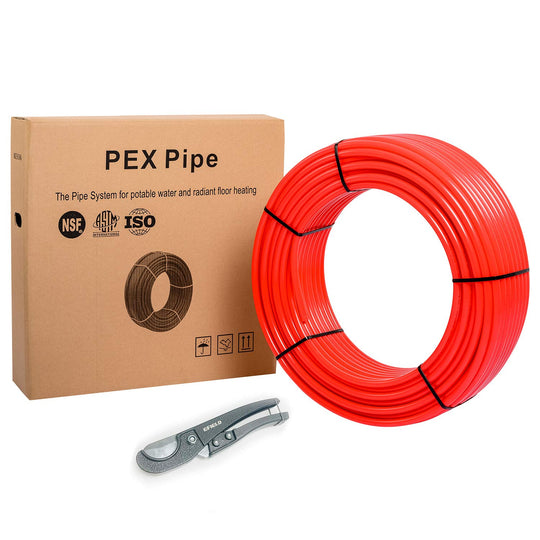
PlumbingSell offers EFIELD PEX-A and PEX-B tubing, fittings, and installation accessories. Compare the size, length, connection requirements, and published ratings for the specific product before ordering. For drinking-water applications, verify the product’s potable-water certification and documentation.
If you need help identifying a product or finding its specifications, contact PlumbingSell with the product details.
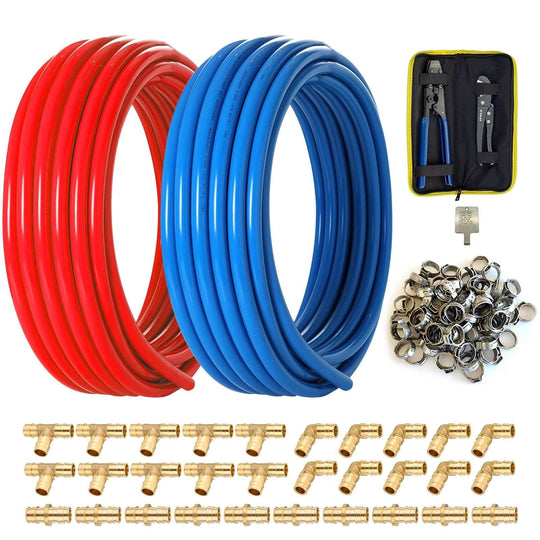
Conclusion
PEX-A, PEX-B, and PEX-C can each be appropriate when the specific product meets the project’s requirements. Their letter designations describe manufacturing methods, so the best choice comes from comparing actual specifications and installation needs. Consider the route the tubing will follow, the available fittings, and the tools required to complete the work.
If you plan to use cold-expansion connections, start with tubing expressly approved for that system and match the fittings and rings accordingly. For a crimp or clamp installation, compare approved tubing options against the equipment and components you already have. When repairing an existing system, identify the tubing and connection method first. Include tubing, fittings, accessories, and tool costs in your budget rather than judging value by the pipe price alone.
Before ordering, confirm the nominal size, temperature and pressure limits, potable-water suitability where applicable, and manufacturer guidance on chlorine and UV exposure. Follow the product’s installation instructions and applicable local requirements. Explore PlumbingSell’s EFIELD tubing options above, or read why homeowners choose PEX pipe for a broader look at its benefits and limitations.
Sources & Further Reading
The references below support the general material and installation information in this guide. Manufacturer-specific instructions apply only to the products they cover.
- Plastics Pipe Institute: PEX Pipe and Tubing. Manufacturing methods and applicable performance requirements.
- Plastics Pipe Institute: TN-17 — Crosslinked Polyethylene (PEX) Pipe & Tubing Systems (2021), Section 13: PEX Fittings.
- Plastics Pipe Institute: TN-53 — Guide to Chlorine Resistance Ratings of PEX Pipe and Tubing for Potable Water Applications (2025), Sections 5–7.
- Plastics Pipe Institute: TN-32 — Ultraviolet (UV) Labeling Guideline for PEX Tubing and Pipe (2025).
- Plastics Pipe Institute: PEX Plumbing Installation Tips. Bending, damaged tubing, and freeze-related limitations.
- Uponor: Frequently Asked Questions. Product-specific examples concerning PEX-A flexibility and kink repair; these instructions do not establish compatibility or repair procedures for EFIELD products.
- Plastics Pipe Institute, Plastic Pipe and Fittings Association, and Home Innovation Research Labs: PEX Plumbing Distribution Systems Design and Installation Guide, Third Edition — Chapter 3: Material Properties (2026). See the material designation and tubing markings sections.
