

Why Should You Choose PEX Pipe
When considering the types of pipe to use for your construction project, there are many options available, from traditional copper pipes to modern PEX pipes. How do you know which one works best for you? You might have heard that PEX pipes are a popular choice, but you may not know if they are suitable for your project. We’ll explain the main reasons people choose PEX and the limitations to consider before deciding whether it is the right material for your plumbing system.
Quick Takeaways
- PEX’s flexibility can simplify routing and reduce the number of fittings needed.
- Drinking-water suitability and connection compatibility must be checked for the specific product.
- PEX still needs protection from freezing, excessive sunlight, physical damage, and incompatible chemicals.
Table of Contents
PEX Pipes Tend to Be More Flexible
One of the most notable advantages of using PEX tubing is its flexibility. Compared with rigid metal pipes, PEX can be routed around obstacles and through tight spaces, within the manufacturer’s bend limits. This allows plumbers to reduce the number of fittings or elbow joints needed for some layouts. [1]
With fewer connections, there are fewer joints to assemble and inspect, which can help manage potential leak points. Correct pipe support, compatible fittings, and proper installation remain essential. [4]
PEX Pipes Are Easy to Install
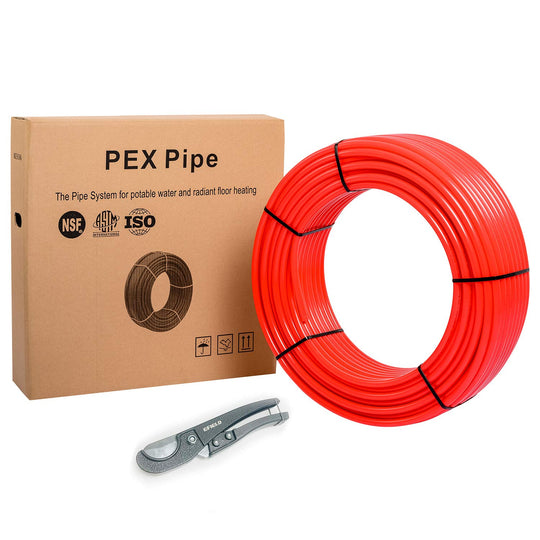
PEX pipes are often easier to handle and install than rigid piping, which is one reason plumbers choose them. They are flexible, lightweight, and easy to cut with a suitable PEX cutter. A clean, square cut is important for a properly assembled connection. [4]
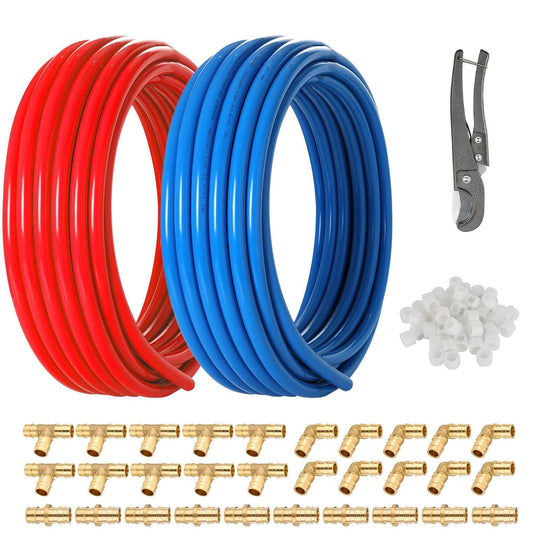
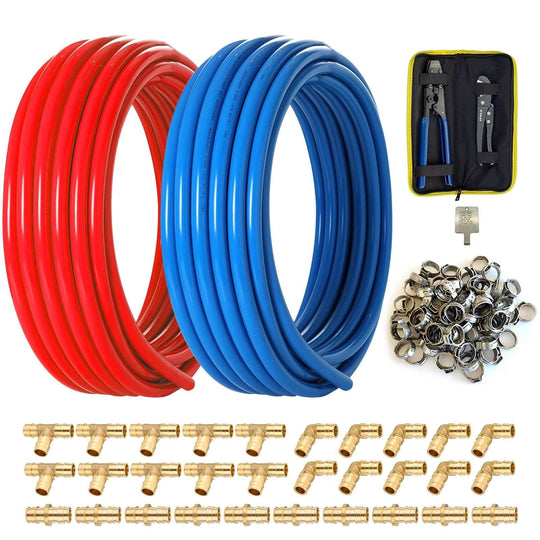
PEX-to-PEX connections do not require solder or solvent cement. Depending on the approved system, installers may use crimp rings, clamps, cold-expansion connections, or compatible push-fit fittings. The tools vary accordingly: PEX clamp tools serve a different system from expansion tools. Match the tubing, fitting, ring or clamp, and tool before starting. [2]
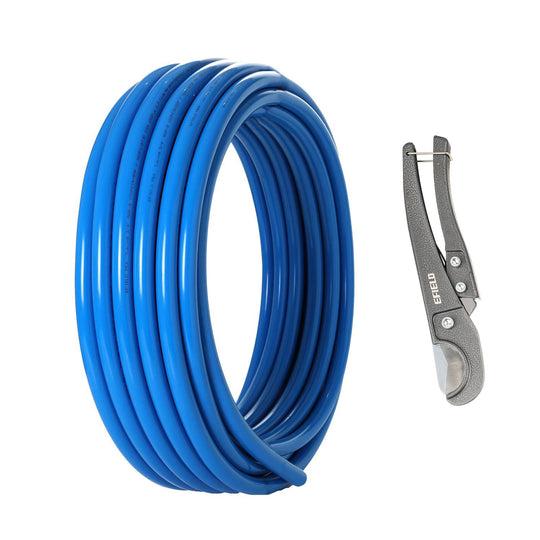
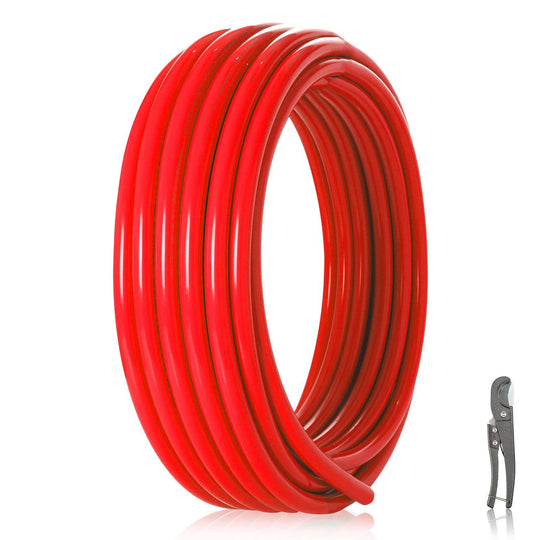
Different colors also help identify supply lines. Typically, red PEX pipes identify hot-water lines, while blue pipes identify cold-water lines. Color is an identification aid; the product’s markings and ratings determine its permitted use. [1]
PEX Pipes Are Safe & Cost-Effective
PEX tubing can be suitable for drinking-water systems when the specific product is certified for that use. NSF/ANSI/CAN 61 evaluates health effects associated with materials and components in contact with drinking water. When choosing EFIELD PEX pipes, check the certification and documentation for the exact tubing and fittings you intend to purchase. [3]
PEX’s flexibility and installation options can make it cost-effective for new plumbing and renovations. Continuous runs may reduce intermediate joints and the work needed to route rigid pipe. Actual savings depend on the layout, material prices, fittings, tools, and labor required.
Reducing unnecessary fittings can help limit pressure loss, but it does not guarantee better pressure at a sink or shower. Pipe sizing, run length, fittings, and flow demand all need to be considered. [8]
PEX does not rust or pit like metal pipe, which is useful when considering long-term maintenance. It still has chemical and operating limits: hot-water temperature, disinfectant exposure, and the product’s chlorine-resistance rating matter. These properties should be checked rather than assuming all PEX performs identically. [1] [6]


PEX Pipes Are Easy to Renovate With
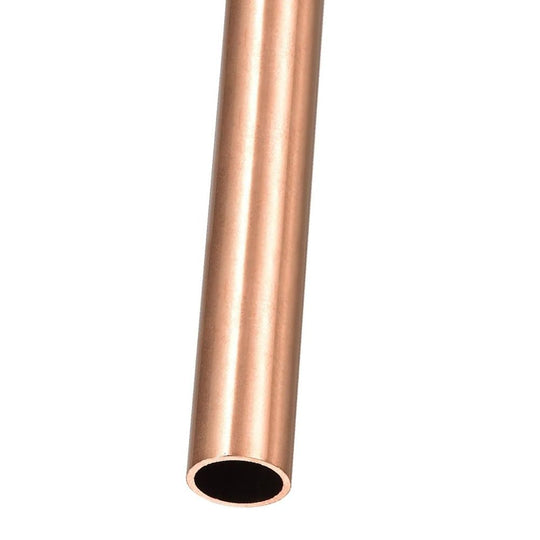
PEX pipes are also popular for their ability to connect with existing plumbing through appropriate transition fittings. For example, a fitting may connect copper pipe on one end and PEX tubing on the other. This can make renovating an existing system more straightforward, since not every pipe needs to be replaced at once.
However, integrating different systems still requires planning. Identify the existing pipe material, size, and connection method, then confirm the transition fitting’s approved applications. Some arrangements use expansion connections; others involve a separate copper connection. Ask a qualified plumber to assess the layout if compatibility or installation requirements are unclear. [2]
Benefits and Limits of PEX Pipes in Cold Weather
PEX tubing can expand when water inside it freezes and has resistance to freeze-related breakage. However, neither the tubing nor the complete system is freeze-proof. Freezing can damage tubing, fittings, or valves, and the outcome depends on the conditions. [4]
For colder climates, pipe location, insulation, and the overall freeze-protection plan remain important. PPI advises against intentionally exposing PEX systems to freezing. Follow the manufacturer’s guidance and applicable local requirements rather than relying on the pipe material alone. [4]
Drawbacks and Considerations of PEX Pipes
Although PEX pipe is a suitable option for many plumbing projects, it still has limitations that affect where and how it should be used.
Standard indoor plumbing PEX should not be left permanently exposed to sunlight. Follow the specific manufacturer’s UV-exposure allowance during storage and installation; there is no single “couple of months” limit that applies to every product. UV damage may not be visible, making protection and storage important. [5]
Rodents can damage plastic piping, although damage is not inevitable. Address known pest activity and protect vulnerable routes when planning your PEX plumbing system. Also keep tubing and plastic fittings away from incompatible chemicals, including solvent cements, unless the manufacturer expressly allows the contact. [7] [4]
Before You Choose PEX
| What to Check | What to Confirm |
|---|---|
| Intended use | Potable-water suitability and certification where required. [3] |
| Connection system | Approved tubing, fittings, rings or clamps, and matching tools. [2] |
| System conditions | Size, temperature and pressure ratings, and chlorine-resistance guidance. [1] [6] |
| Installation location | Freeze protection, sunlight exposure, and protection from physical damage. [4] [5] |
Conclusion
PEX pipes can be a practical option for a wide range of plumbing projects, from cost-conscious new installations to renovations. Flexibility, corrosion resistance, and several connection options make PEX worth considering when choosing materials for a water-supply system. These benefits are most useful when the tubing and components suit the actual application.
Before buying, compare the pipe size, permitted operating conditions, approved fittings, and tools required. Consider the full installation cost and any work needed to connect to existing plumbing. For drinking-water applications, check the specific product’s certification and documentation rather than relying on a general statement about the material.
PEX also needs suitable protection from freezing, excessive sunlight, physical damage, and incompatible chemicals. If you have decided that PEX fits your project, our guide to the differences between PEX-A, PEX-B, and PEX-C explains the next selection step.
Sources & Further Reading
These references support the general information above. They do not establish certification or approval for a specific EFIELD product; refer to that product’s documentation and installation instructions.
- PPI, PPFA, and Home Innovation Research Labs: PEX Plumbing Distribution Systems Design and Installation Guide, Third Edition — Chapter 3 (2026). Flexibility, color identification, corrosion, and tubing markings.
- Plastics Pipe Institute: TN-17 — Crosslinked Polyethylene (PEX) Pipe & Tubing Systems (2021), Section 13: PEX Fittings.
- NSF: NSF/ANSI/CAN 61 Testing and Certification. Health-effects evaluation of drinking-water components.
- Plastics Pipe Institute: PEX Plumbing Installation Tips. Pipe preparation, support, chemical contact, and freezing limitations.
- Plastics Pipe Institute: TN-32 — Ultraviolet (UV) Labeling Guideline for PEX Tubing and Pipe (2025).
- Plastics Pipe Institute: TN-53 — Guide to Chlorine Resistance Ratings of PEX Pipe and Tubing for Potable Water Applications (2025).
- Plastics Pipe Institute: TR-11 — Resistance of Thermoplastic Piping Materials to Micro- and Macro-Biological Attack (2023), Section 2.4: Rodents.
- Plastics Pipe Institute: BCD Plastic Pipe Design Calculator — Overview. Pressure-loss calculations and the influence of fittings.
